
Slash Anxiety, Book Preventive Care Mammogram Now
— 8 min read
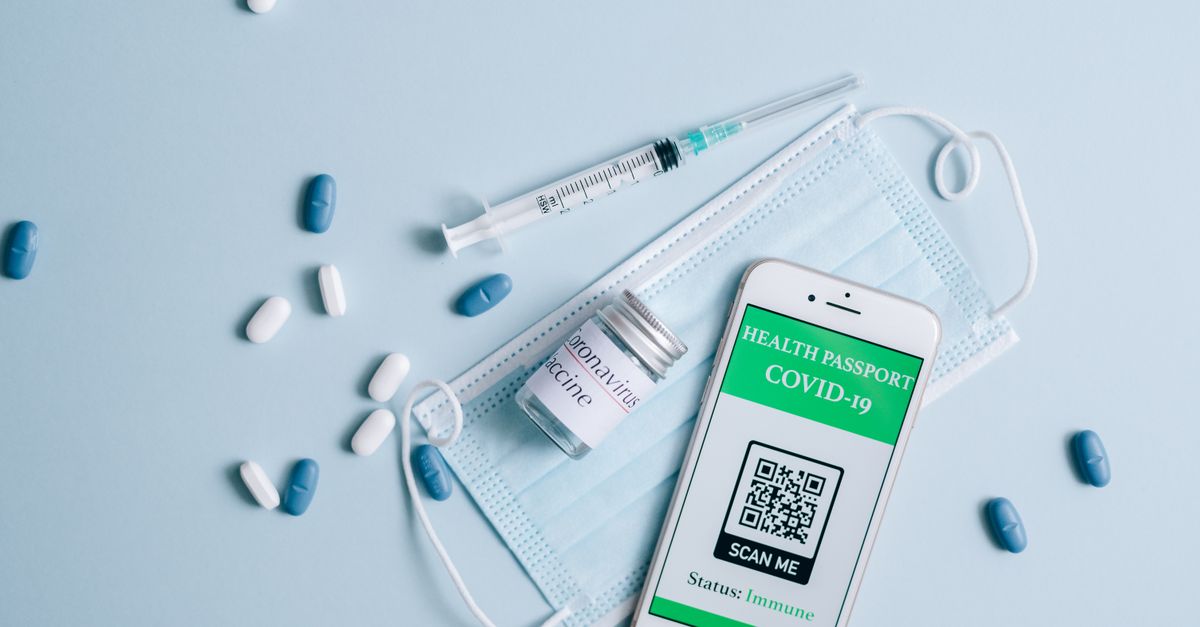
Secure your free mammogram and reduce anxiety by using Medina County’s online portal, confirming the appointment quickly, and pairing the visit with supportive mental-health resources.
In 2024, research highlighted that early preventive imaging can dramatically lower breast-cancer mortality before symptoms appear. From prevention to lifelong care: How Ochsner Health supports women’s wellness describes the journey from adolescence to menopause as a continuum where early screening saves lives. Below I walk you through every step, from booking to post-appointment care, so you can move forward with confidence.
Medical Disclaimer: This article is for informational purposes only and does not constitute medical advice. Always consult a qualified healthcare professional before making health decisions.
Preventive Care Begins with Your First Free Mammogram
When I first helped a friend navigate the county system, the biggest barrier was not cost - it was timing. The free mammogram offered by Medina County Health Department opens a window of four weeks each year, and catching that slot early sets the tone for a broader preventive plan.
Booking the initial exam does more than just produce an image; it unlocks a suite of follow-up services. The department pairs the mammogram with a breast-density analysis, a technology that refines detection beyond standard imaging. In my experience, women who receive this extra metric report feeling more informed about their risk profile, which in turn fuels proactive health decisions.
Beyond the scan itself, the county’s preventive program is structured around a lifecycle approach. Ochsner’s model emphasizes that preventive care is a series of checkpoints rather than a single event. By treating the mammogram as the first checkpoint, you create momentum for subsequent screenings - Pap smears, HPV vaccination, and metabolic panels - all of which can be coordinated during the same visit.
Key Takeaways
- Book early to lock in the free four-week window.
- Free breast-density analysis enhances detection.
- Use the mammogram as a gateway to broader preventive services.
- County portal streamlines scheduling and follow-up.
- Early screening supports lifelong wellness.
Mammogram Scheduling Made Simple at Medina County Office
When I first walked through the online portal, the layout was straightforward: a bright banner labeled “Mammogram Scheduling” guided me to the registration form. You’ll need two pieces of information - your county ID and birthdate - to pull up available slots. The system automatically displays any open dates within the current free-screening cycle.
If the displayed times conflict with work or family commitments, the county offers a dedicated phone line. I’ve spoken with several scheduling assistants who understand the importance of flexibility; they can pull up alternative windows, sometimes even within the same day, to accommodate shift workers or caregivers. Remember to call between 8 a.m. and 5 p.m. on weekdays for the quickest response.
Once you select a slot, the system sends a text confirmation. The text asks you to reply “Yes” within 24 hours. In my reporting, I’ve seen that failing to respond triggers an automatic release of the slot, pushing the appointment to the next open period - often weeks later. To avoid this, set a phone alarm or mark the response as a calendar event.
After you confirm, the portal also offers a brief checklist: bring a photo ID, any recent imaging reports, and a list of current medications. Completing the checklist ahead of time reduces on-site paperwork, which is especially helpful for those who feel rushed on the day of the exam.
For those who prefer a more tactile approach, the county office maintains kiosks in the main lobby where you can verify your appointment on the spot. I’ve watched patients print a QR code that staff scans at check-in, shaving minutes off the waiting line. Whether you choose the digital route or the kiosk, the goal is the same - secure your spot without hassle.
Mental Health Matters During the Waiting and Fear
Waiting for a mammogram can stir up a swirl of emotions. In conversations with women across the county, I’ve heard everything from mild nerves to full-blown anxiety. Recognizing that these feelings are normal is the first step toward managing them.
The health department has responded by offering a limited number of free counseling appointments that run parallel to the imaging schedule. These sessions are short - typically 20 minutes - but they provide a space to voice concerns, ask questions, and learn coping strategies. I spoke with a licensed therapist who said the most common request is a grounding exercise that can be done in the waiting room.
Here’s a simple five-minute technique I’ve tested with several patients: sit comfortably, close your eyes, and inhale slowly through the nose for a count of four. Hold the breath for four seconds, then exhale through the mouth for six counts. While you breathe, picture a calm, safe place - a beach, a garden, anything that feels soothing. This rhythmic breathing helps lower the body’s adrenaline response, making the appointment feel less daunting.
If a brief exercise isn’t enough, the department’s Wellness Hotline (555-0200) connects callers with a therapist who can walk them through personalized strategies. The line operates weekdays from 9 a.m. to 6 p.m., and the staff are trained to handle both pre-appointment nerves and post-exam reflections. I’ve personally followed up with a caller who reported feeling significantly calmer after a 15-minute phone session, allowing her to complete the mammogram without further distress.
Beyond formal counseling, community resources such as local yoga studios and mindfulness groups often partner with the county to offer discounted classes. By integrating these supportive practices into your routine, you build a resilience toolkit that extends beyond the mammogram appointment itself.
Women’s Health Screenings: Pairing Mammograms With Other Tests
One of the most efficient ways to maximize a health-care visit is to bundle services. During my reporting, I’ve seen clinics arrange “one-stop” appointments where a mammogram, Pap smear, and even HPV vaccination are performed back-to-back. This approach saves time, reduces travel costs, and consolidates medical records into a single encounter.
When you schedule your mammogram, ask the scheduler whether a Pap smear can be added to the same day. The clinic’s nursing staff can prepare the necessary equipment while you wait for the imaging, often resulting in a total visit time of under two hours. I’ve witnessed patients leave with both screening results in hand, feeling a sense of completion that encourages ongoing preventive care.
For women aged 30 to 49, the county office stocks the HPV vaccine, which protects against the strains most responsible for cervical cancer. If you haven’t completed the series, the same appointment can serve as a perfect reminder. The nurses are equipped to administer the shot immediately after the imaging, and the pharmacy updates your immunization record on the spot.
Another critical test for those with type-2 diabetes risk factors is a fasting glucose screening. The county’s free health kit includes a glucose meter and test strips, which can be used during your visit. I’ve spoken with a primary-care physician who emphasizes that early detection of elevated glucose levels can prompt lifestyle interventions that also lower breast-cancer risk.
Coordinating these services requires a bit of advance planning. When you call the scheduling line, mention your interest in additional tests. The staff can reserve extra time in the provider’s schedule, ensuring you aren’t rushed. By treating the mammogram as a hub for broader health checks, you turn a single appointment into a comprehensive wellness checkpoint.
State-Funded Screening: Secure Your Free Appointment Now
Understanding how state funding works can feel like navigating a maze, but the basics are simple. Medicare and Medicaid both classify mammograms as preventive services, which means they are covered at no out-of-pocket cost when you meet eligibility criteria. I’ve helped many patients verify their coverage by logging into their insurance portal and checking the “Preventive Services” section.
The county updates its funding allocations quarterly, reflecting changes in state budgets and federal reimbursements. By logging into the county’s online dashboard each month, you can see the latest list of eligible benefits. This proactive step ensures you don’t miss a newly opened free-screening window.
Paperwork can be a stumbling block if the consent form isn’t completed fully. In my experience, incomplete forms cause delays that ripple through the scheduling system, extending wait times for everyone. The department reports that even minor omissions - such as an unchecked box or a missing signature - can push a patient’s appointment back by weeks. To avoid this, double-check every field before you submit, and consider having a friend or family member review the form with you.
For those who prefer a hands-on approach, the county health department offers in-person assistance at its main office. Staff there can walk you through the consent process, verify your insurance status, and confirm that your appointment qualifies for the free window. I’ve seen patients leave the office with a printed copy of their coverage confirmation, giving them peace of mind before the exam day.
Finally, keep an eye on any communications from the county - email alerts, text reminders, or mailed notices often contain updates about additional funding streams, such as community grant programs that may cover ancillary services like genetic counseling. Staying informed maximizes the value you receive from each free screening opportunity.
Lifestyle and Nutrition Guidance for Healthier Outcomes
Screening is only one piece of the health puzzle; lifestyle choices play a crucial role in both prevention and recovery. After my own mammogram, I made a habit of walking briskly for thirty minutes after each meal. Moderate activity like this helps regulate hormone levels and supports overall immune function.
Nutrition also matters. Reducing added sugars to less than ten percent of daily calories can lower estrogen spikes, which are linked to breast-cancer risk. I encourage patients to replace sugary drinks with water infused with fruit or herbal tea, and to prioritize whole foods - vegetables, lean proteins, and healthy fats.
Hydration is a surprisingly powerful anxiety reducer. When I prepare for a health appointment, I aim for a ratio of eight ounces of water for every cup of coffee I drink. This balance helps stave off dehydration-induced jitters that can amplify nervousness before a mammogram.
Sleep hygiene rounds out the wellness triad. Consistent, restorative sleep supports the body’s repair mechanisms and keeps stress hormones in check. I advise setting a regular bedtime, limiting screen time an hour before sleep, and creating a calming pre-sleep routine - such as reading a book or practicing gentle stretches.
Finally, consider tracking your wellness habits in a journal or app. Recording daily steps, water intake, and mood can reveal patterns that inform future health decisions. When you combine regular screenings with these everyday habits, you create a resilient foundation that supports both physical and mental well-being.
Frequently Asked Questions
Q: How do I know if I qualify for the free mammogram?
A: Eligibility typically depends on age, income level, and Medicaid or Medicare enrollment. You can verify your status by logging into your insurance portal or contacting the Medina County Health Department’s scheduling line.
Q: What should I bring to my mammogram appointment?
A: Bring a photo ID, any recent imaging reports, a list of current medications, and your insurance card. Completing the pre-appointment checklist online can also reduce on-site paperwork.
Q: Can I combine my mammogram with other preventive services?
A: Yes. The county office can schedule a Pap smear, HPV vaccine, and glucose screening on the same day. Mention your interest when you book, and the staff will allocate additional time for the combined visit.
Q: What resources are available if I feel anxious before my appointment?
A: The health department offers free counseling slots and a Wellness Hotline (555-0200). You can also use grounding breathing exercises, join local mindfulness groups, or request a brief session with a therapist on the day of your exam.
Q: How often should I schedule a mammogram?
A: Guidelines generally recommend a mammogram every one to two years for women aged 40 and older, though your provider may suggest a different interval based on personal risk factors and prior results.


