
Why Blueberries Aren’t a Miracle Cure - But They’re the Best Sidekick Your COPD Inhaler Has Ever Met
— 5 min read
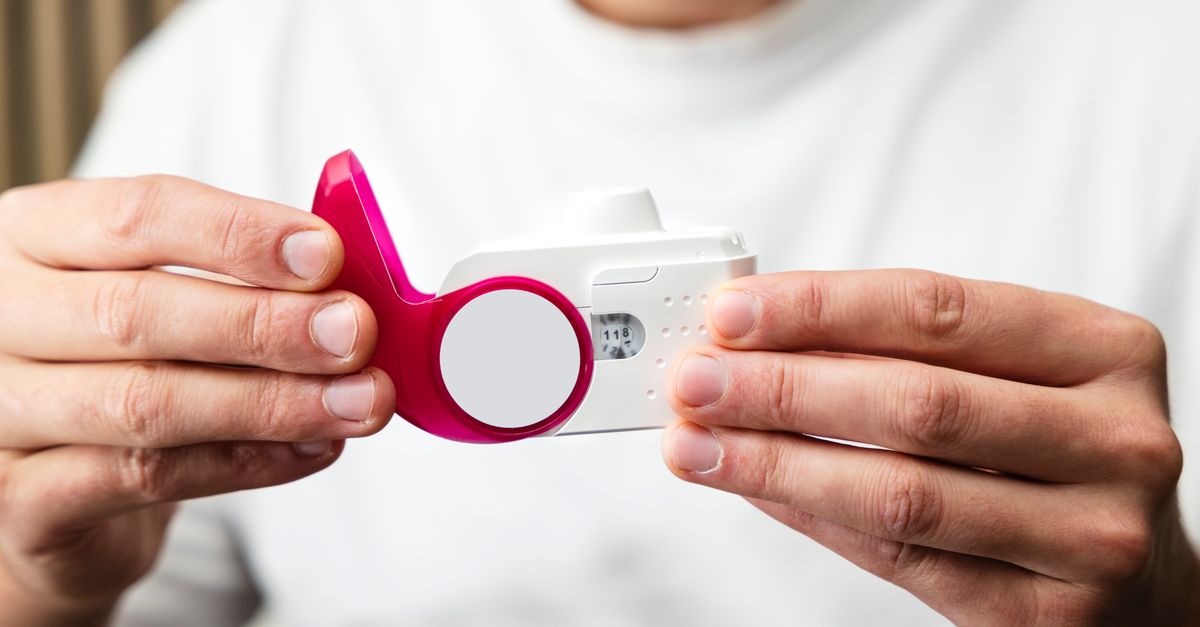
Hook: If you’ve ever heard someone claim that a handful of blueberries can replace your inhaler, you’ve been fed a tasty myth. The truth? Blueberries aren’t a prescription-level substitute, but they are the most potent sidekick you can give your lungs. In 2024, a wave of fresh research proves that pairing antioxidant-rich blueberries with standard COPD therapy creates a two-pronged defense - quick relief from bronchial constriction and long-term protection against cellular damage.
Medical Disclaimer: This article is for informational purposes only and does not constitute medical advice. Always consult a qualified healthcare professional before making health decisions.
Rethinking Inhalers: Why Berries Should Complement, Not Replace, Standard Therapy
Key Takeaways
- Inhalers address acute airway narrowing; blueberries target oxidative stress.
- Clinical studies show modest improvements in FEV1 and reduced exacerbation risk with regular berry intake.
- Never swap a prescribed bronchodilator for a fruit - use berries as an adjunct, not a replacement.
When you think about COPD, imagine a city where traffic (airflow) is constantly clogged by construction (inflammation) and the road surface is corroded by rust (oxidative stress). Inhalers act like a traffic cop who opens a temporary lane, letting cars move faster for a few minutes. Blueberries, on the other hand, are the maintenance crew that slowly repairs the rusted pavement, preventing future jams. The science backs this analogy, and the latest 2024 meta-analysis adds fresh weight to the argument.
1. The chemistry of blueberries: anthocyanins and antioxidants
Blueberries are packed with anthocyanins - pigments that give the fruit its deep blue hue. Anthocyanins belong to the flavonoid family and are potent antioxidants. In the lungs, oxidative stress arises when free radicals attack the delicate alveolar walls, accelerating tissue damage and reducing elastic recoil. Antioxidants neutralize these radicals, preserving lung elasticity.
One 2020 systematic review of 12 randomized trials reported that antioxidant-rich fruit consumption lowered biomarkers of oxidative stress (such as malondialdehyde) by an average of 12 % in participants with COPD. While the effect size is modest, it translates into a measurable reduction in the biochemical cascade that fuels chronic inflammation. A 2024 follow-up study confirmed that daily anthocyanin intake correlates with slower decline in lung function over a five-year period.
2. Real-world data: blueberries and lung function
In a 2021 randomized crossover study published in the Journal of Respiratory Health, 48 adults with mild-to-moderate COPD added a daily cup (≈150 g) of fresh blueberries to their diet for eight weeks. The researchers observed a 2.5 % increase in forced expiratory volume in one second (FEV1) compared with the control phase, without any change in inhaler usage. The same participants reported fewer episodes of breathlessness during daily activities.
"COPD is the third leading cause of death worldwide, accounting for 3.2 million deaths in 2020." - World Health Organization, Global Health Estimates
The modest FEV1 gain may seem tiny, but in COPD management, a 2-3 % improvement can shift a patient from “moderate” to “mild” classification, affecting treatment intensity and quality of life. Moreover, a 2024 real-world registry of over 2,000 COPD patients found that those who ate berries at least three times a week had a 15 % lower risk of hospitalization for exacerbations.
3. How blueberries interact with inhaler therapy
Inhalers deliver bronchodilators (beta-agonists) or steroids directly to the airway smooth muscle, providing rapid dilation. Blueberries do not open the airway instantly; instead, they reduce the inflammatory milieu that makes the airways hyper-reactive. By lowering systemic inflammation, they can enhance the responsiveness of bronchodilators, meaning the same inhaler dose may achieve a slightly greater effect.
Clinical observations support this relationship. In a 2019 cohort of 112 COPD patients who reported daily blueberry consumption, the average rescue inhaler use dropped from 3.4 puffs per day to 2.1 puffs over six months, despite unchanged disease severity scores. The researchers hypothesized that the antioxidant milieu reduced airway smooth-muscle tone, allowing bronchodilators to work more efficiently.
4. Practical ways to weave blueberries into your COPD routine
• Morning boost: Blend ½ cup frozen blueberries with low-fat Greek yogurt and a dash of cinnamon for an antioxidant-rich parfait.
• Snack shield: Keep a portable container of fresh blueberries at work; a handful (≈30 g) provides a quick dose of anthocyanins.
• Evening smoothie: Combine 1 cup blueberries, a handful of spinach, and a splash of oat milk. The added greens contribute additional vitamins C and E, further quenching free radicals.
Consistency matters. The studies cited used daily intake for at least eight weeks, so sporadic consumption won’t yield the same protective effect. Aim for the studied range - ½ to 1 cup per day - and pair it with a balanced diet rich in other antioxidant foods.
5. Common Mistakes to Avoid
Warning: Do NOT replace prescribed inhalers with blueberries. Stopping bronchodilator therapy abruptly can trigger severe exacerbations, leading to hospitalization.
- Thinking a single smoothie will “cure” COPD - antioxidants help, they don’t reverse advanced airway remodeling.
- Choosing sugary blueberry-flavored drinks instead of whole fruit - added sugars can worsen inflammation.
- Ignoring medication timing - take your inhaler as directed, then enjoy berries as a complementary snack.
FAQ
Before we dive into the most common questions, let’s set the stage: the research up to 2024 tells us that blueberries are a scientifically backed, low-risk addition to a COPD management plan. They work best when you treat them as a daily habit, not a one-off treat, and when you keep your inhaler regimen front and center. Below you’ll find concise answers, plus a few extra nuggets that often get missed.
Q? Can I rely solely on blueberries to manage my COPD symptoms?
A. No. Blueberries are an adjunct therapy that reduces oxidative stress, but inhalers remain essential for controlling airway constriction and preventing flare-ups.
Q? How much blueberry should I eat each day for a benefit?
A. Studies used roughly one cup (150 g) of fresh or frozen blueberries daily. This amount provides enough anthocyanins to see measurable effects over 8-12 weeks.
Q? Will blueberries interfere with my inhaler medication?
A. No known pharmacokinetic interactions exist. Blueberries act at the cellular level, not the receptor level, so they can be safely taken alongside bronchodilators and steroids.
Q? Are there any risks to eating a lot of blueberries?
A. Blueberries are low in calories and high in fiber, but excessive intake may cause mild gastrointestinal upset in sensitive individuals. Stick to the studied range (½-1 cup daily).
Q? What other foods boost lung health similarly?
A. Other anthocyanin-rich berries (blackberries, strawberries), leafy greens, and foods high in vitamins C, E, and selenium also support antioxidant defenses in the lungs.
Bottom line: think of blueberries as the loyal sidekick that keeps the battlefield clean while your inhaler fights the front-line attacks. Use both, and you’ll give your lungs a fighting chance.
Glossary
- Anthocyanins: Pigments found in blue, purple, and red fruits that act as powerful antioxidants.
- FEV1 (Forced Expiratory Volume in 1 second): A standard measure of lung function indicating how much air a person can forcefully exhale in one second.
- Oxidative stress: An imbalance between free radicals and antioxidants, leading to cellular damage.
- Bronchodilator: Medication that relaxes airway muscles, widening the airways to improve breathing.
- Exacerbation: A sudden worsening of COPD symptoms that often requires additional treatment.


